Why You Need a Peri Bottle After Birth
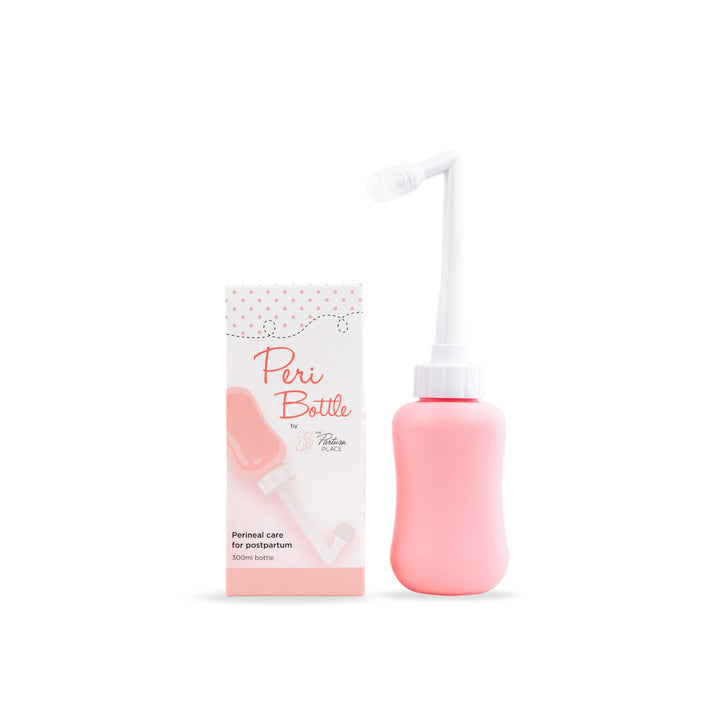
A peri bottle is a small squeeze bottle used to rinse your perineum. (The area between your vaginal opening and anus.)
After a vaginal birth, urine can sting any grazes, tears or stitches you have in the area. Squeezing warm water over it while you wee can dilute the urine and make the trip to the toilet more comfortable.
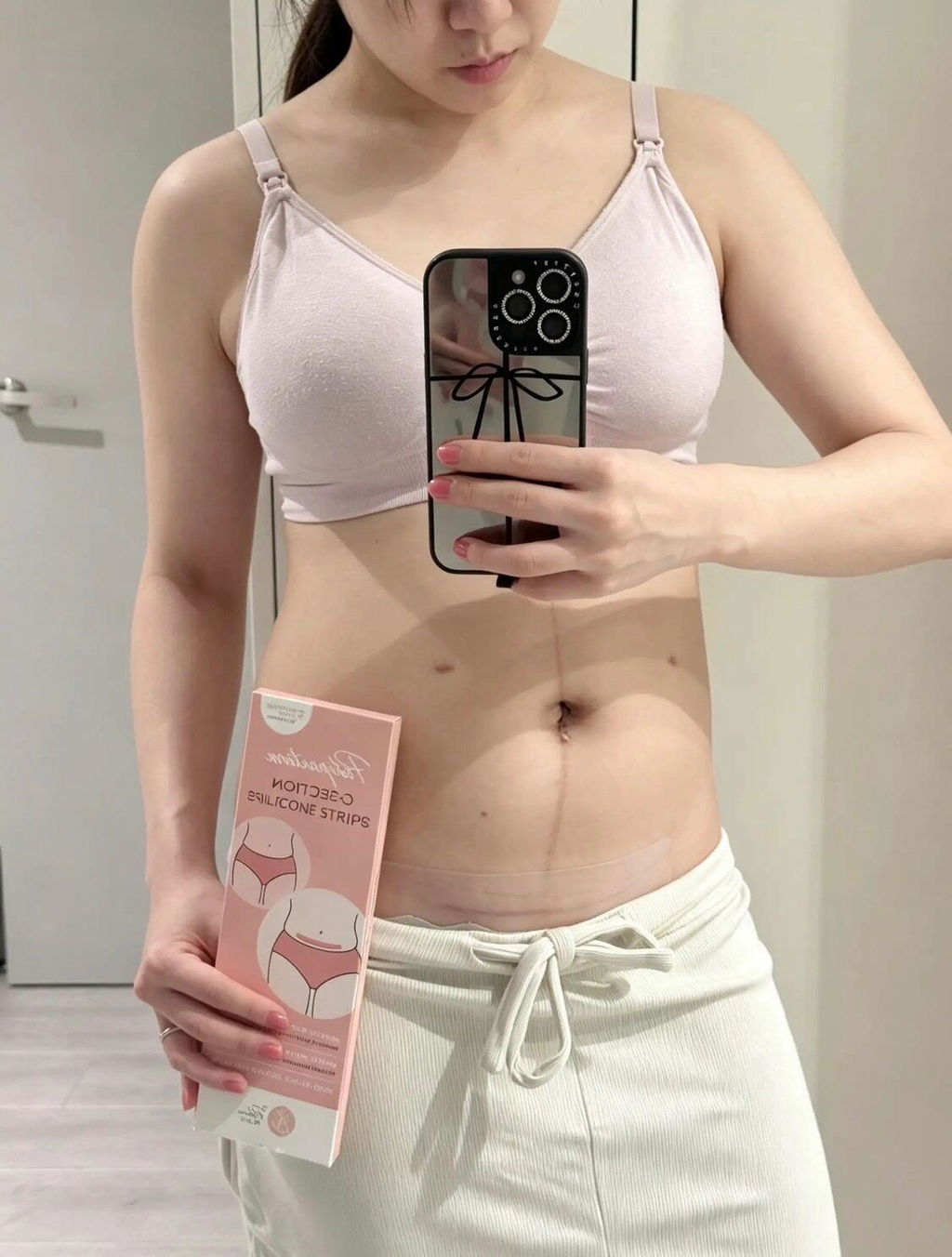
Additionally, rinsing afterwards cleans the area without needing to rub it with toilet paper. It can also be useful after you have had a C-section if bending or reaching feels awkward. A good way to think of it is as a hand-held wash bottle for gentle cleaning. Here's more about why every new mother needs a peri bottle.
How to Use It
- Fill the clean bottle with comfortably warm water, not hot water. Then secure the angled neck firmly.
- Sit on the toilet and hold the bottle upside down between your legs.
- Point the nozzle towards your perineum.
- Gently squeeze to produce a steady stream. You can rinse while urinating if your urine stings. Then rinse again afterwards.
- Gently pat dry from front to back with clean, soft toilet paper or a towel. Avoid wiping sore tissue.
After using it, empty and clean the bottle. Then follow any instructions supplied with it.
Using It After a Bowel Movement
After a bowel movement, rinse from front to back. Especially if you have stitches or haemorrhoids that make wiping uncomfortable. Use the peri wash bottle to gently loosen residue. Then pat dry with clean toilet paper. Avoid directing water or wiping from the anus towards the vaginal opening. If bowel movements are painful or you are constipated, your midwife can advise what may help.
The Angled Neck
The narrow angled neck directs water towards the perineum while you sit on the toilet. This helps many mothers because it means they don't have to twist their wrist or reach underneath their body as much as they would with a straight squirt bottle. As you control the stream by squeezing, you can use the bottle with one hand. However, before doing so, check that the neck is attached firmly before filling and turning it upside down. If there is a loose fit, it could leak.
Add Witch Hazel and Arnica
Many women start with plain warm water as this rinses the area without adding anything that might irritate sensitive skin or stitches. However, your midwife or doctor might suggest mixing witch hazel and arnica into the bottle, particularly if you have a tear, stitches or a reaction to skincare products. That said, do not assume that adding them will reduce inflammation or bruising. Instead, if you want a separate product for your care routine, our perineal foam might help.
How Long You Will Use It
It is a good idea to keep your peri bottle handy through the early days of bleeding and healing. We recommend rinsing at least twice daily. You may also find doing this useful after individual toilet trips, particularly while passing urine still stings.
Feel free to keep using the bottle for as long as rinsing feels helpful. But if pain persists or worsens, or you notice unusual discharge or a bad smell, then let your midwife or doctor know.
A Hospital Bag Essential
Before your due date, pack the bottle so it is ready for your first toilet trip after birth at the hospital. It can also be used with disposable postpartum underwear and perineal foam. You might find our postpartum recovery packs useful, too.